How HDI Rwanda partners with peer educators, clinical mentors, and local health centers to expand HIV prevention, Hepatitis screening, and evidence-based harm reduction.
Across Rwanda, sustained investments in public health have significantly reduced infectious disease transmission. Yet key and vulnerable populations continue to face structural barriers when seeking timely screening, prevention, and clinical follow-up for HIV, Hepatitis B and C, and sexually transmitted infections.
Community-Led Prevention & Peer Navigation
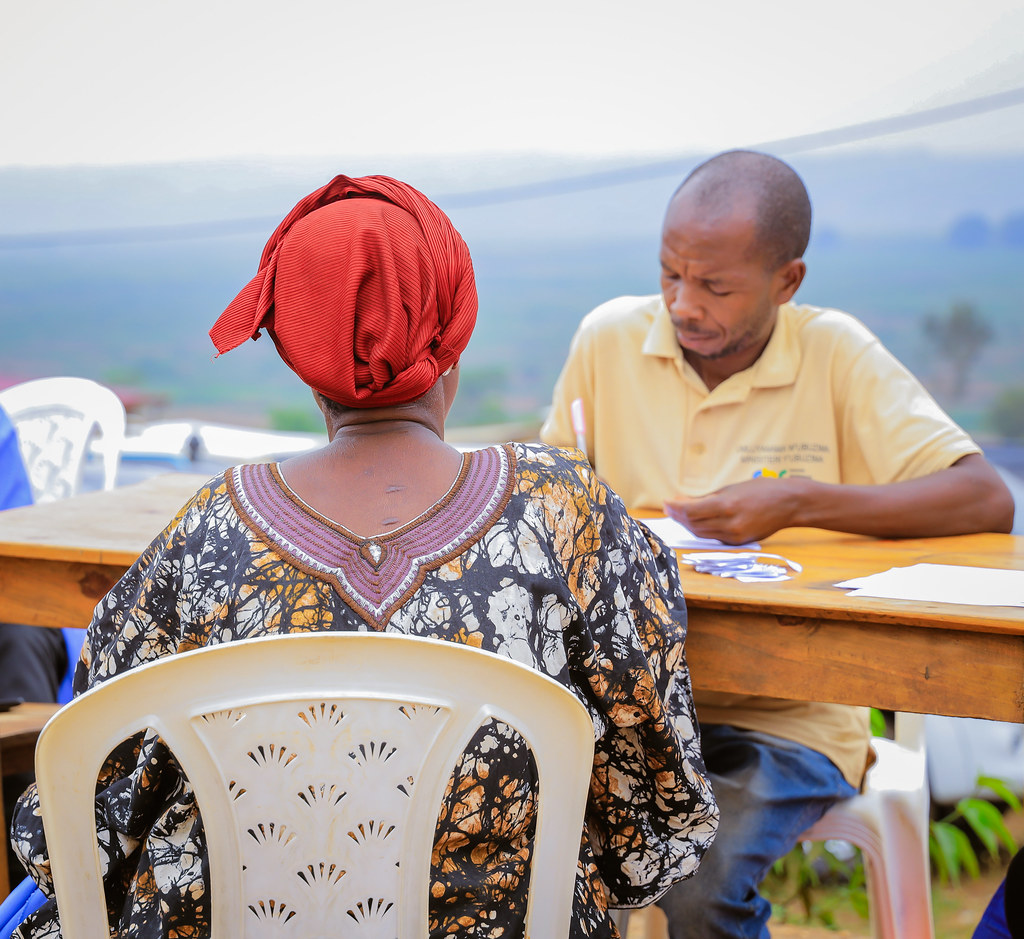
Health Development Initiative (HDI Rwanda) bridges this gap by combining community-led health education with direct clinical linkage. Through trained peer educators and community health volunteers, HDI provides non-judgmental counseling, HIV self-testing kits, and warm referrals to partner health facilities across all 30 districts.
"When communities are empowered with accurate health education and stigma-free care pathways, prevention and treatment adherence rise dramatically across every demographic."
Key Pillars of the Infectious Disease & Harm Reduction Programme
- Targeted Screening & Linkage: Mobile outreach clinics offering integrated HIV, Hepatitis B & C, and STI screening alongside immediate linkage to antiretroviral therapy (ART).
- Evidence-Based Harm Reduction: Addressing substance use as a public health priority by equipping healthcare providers and community networks with harm reduction tools.
- Health Provider Capacity Building: Training nurses, clinical officers, and community health workers on stigma reduction and patient-centered infectious disease management.
By integrating community feedback directly into national technical working groups, HDI ensures that frontline evidence informs sustainable health policy across Rwanda and the wider East African region.
Read the original syndication or partner media coverage of this HDI Rwanda initiative.